
Dental Articles - Edmonton
Can a Custom Mouthguard Shift Your Teeth?
Posted by Floss & Gloss Dental on Fri, 11 September 2026
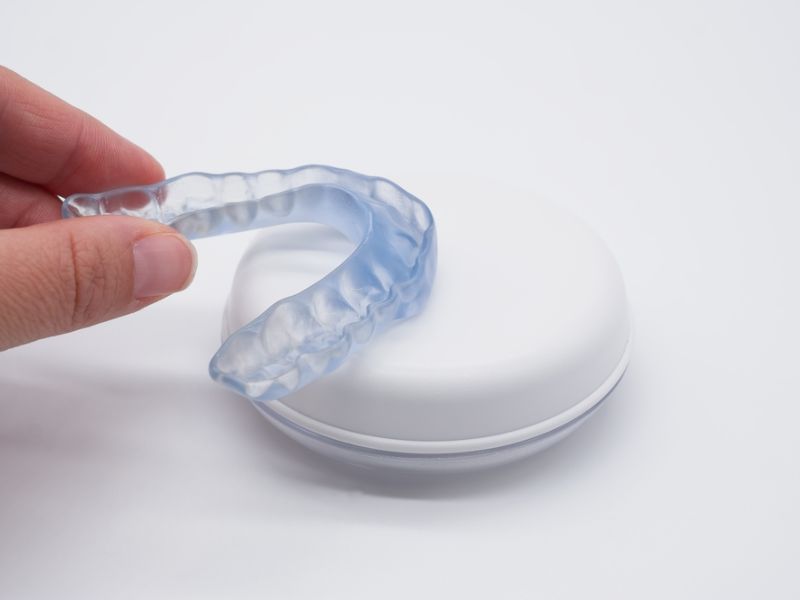
A well-fitted mouthguard is designed to protect the teeth from injury, especially during sports or activities where the mouth may be exposed to impact. Sports guards in South Edmonton can provide a protective barrier between the teeth and surrounding tissues. A properly made mouthguard should fit securely without placing unnecessary pressure on the teeth. However, an ill-fitting or poorly used mouthguard may cause discomfort and should be checked if it feels tight or changes how the teeth come together.
Can a Mouthguard Actually Move Teeth?
In most cases, a properly fitted sports mouthguard is not designed to move teeth. Orthodontic movement requires controlled, ongoing pressure applied in a specific way.
A mouthguard is made to:
- Cushion the teeth during impact.
- Reduce the chance of certain mouth injuries.
- Stay securely in place during activity.
- Separate the teeth from areas that could cause injury.
A mouthguard that feels uncomfortable or unusually tight should not simply be ignored.
Why Does the Fit Matter?
A custom dental mouthguard is made to match the shape of the teeth and mouth. This can provide a more secure fit than a generic mouthguard that is not shaped specifically for the wearer.
A good fit should allow the mouthguard to remain in place without constant biting or clenching to hold it there. It should also allow comfortable breathing and speaking during appropriate activities.
Can a Tight Mouthguard Put Pressure on Teeth?
A mouthguard that feels too tight may put pressure on your teeth, but it does not always mean it will move them. If you notice unusual pressure, pain, or a change in how the mouthguard fits, have it checked by your dentist.
This is especially important when:
- A new mouthguard suddenly feels different.
- The teeth feel sore after wearing it.
- The bite feels different afterward.
- The mouthguard no longer fits properly.
- The device has become damaged or misshapen.
A professional assessment can help determine whether the mouthguard needs adjustment or replacement.
What Causes a Mouthguard to Stop Fitting Properly?
A mouthguard may fit differently over time for several reasons. Changes in the teeth, dental restorations, jaw growth, or normal wear can affect how the device sits in the mouth.
A mouthguard can also become less suitable if it:
- Becomes worn or damaged
- Is exposed to excessive heat
- Is chewed regularly
- Is not fitted correctly
- No longer matches changes in the teeth.
Regularly checking the condition of the mouthguard can help identify fit problems early.
Are Custom Mouthguards Better for Sports?
A custom mouthguard can offer a more precise fit because it is made specifically for the individual’s mouth. A secure fit can make it easier to keep the device in position during sports.
A dentist in South Edmonton can assess the teeth and help determine whether a custom option is appropriate for the activity and individual needs.
Custom mouthguards may be useful for sports involving a risk of contact or impact, such as:
- Hockey
- Basketball
- Soccer
- Boxing and other combat sports
- Football
- Lacrosse
The level of protection needed can vary depending on the sport.
How Can a Mouthguard Affect Braces?
Mouthguards may need special consideration when braces or other dental appliances are present. A standard mouthguard may not provide enough room for brackets or may not remain comfortable as the teeth change position.
For orthodontic treatment, the mouthguard may need to be designed to accommodate ongoing changes. Wearing a device that does not fit properly can cause irritation or discomfort.
What Should You Do If Your Mouthguard Feels Too Tight?
Do not force a mouthguard into position if it causes significant pressure or discomfort. Remove it and have the fit checked, particularly if the change is sudden.
Helpful steps include:
- Check the mouthguard for cracks or damage.
- Avoid reshaping a custom device without professional advice.
- Do not continue wearing it if it causes ongoing discomfort.
- Have the fit reviewed if the teeth or bite have changed.
- Replace the mouthguard when it is worn or no longer fits correctly.
A dental clinic near you can help assess whether the mouthguard remains suitable.
How Often Should a Custom Mouthguard Be Replaced?
There is no single replacement schedule that works for everyone. Replacement may be needed when the mouthguard becomes damaged, worn, uncomfortable, or no longer fits properly.
For children and teenagers, growth and changes in the teeth may also mean that a new mouthguard is needed sooner. Regular checks can help determine when replacement is appropriate.
Keep Your Mouthguard Comfortable and Protective!
A properly fitted mouthguard should protect the teeth without creating unnecessary pressure or discomfort. Book an appointment with Floss and Gloss Dental to have your mouthguard and dental needs assessed, discuss whether a custom option is suitable, and make sure your protective gear continues to fit comfortably and properly.