
Dental Articles - Edmonton
Dental Crowns: What They Are and When You Need One
Posted by Floss & Gloss Dental on Tuesday, 28 July 2026
A damaged tooth does not always mean a lost tooth. In many cases, a dental crown can step in—protecting what remains, restoring full function, and giving the tooth a completely natural appearance. But many people are unsure about what crowns actually are, how they work, and whether they truly need one. Understanding the signs and symptoms that indicate you need a dental crown is the first step toward making a confident, informed decision about your dental health.
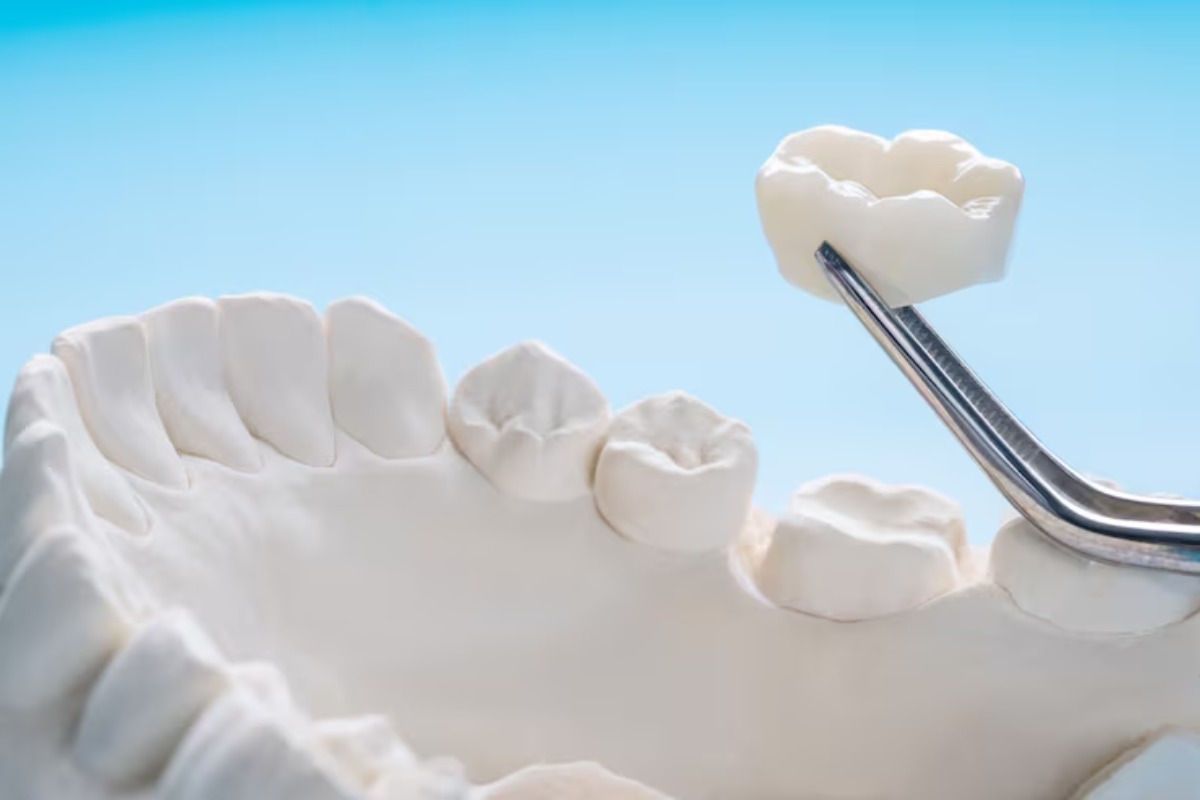
What Is a Dental Crown?
A dental crown is a custom-made cap that fits over a damaged or weakened tooth. It covers the entire visible portion of the tooth—right down to the gum line.
Think of it as a protective shell. It holds the tooth together, restores its original shape and size, and allows it to function normally again.
Crowns can be made from several different materials:
- Porcelain or ceramic : the most natural-looking, ideal for front teeth
- Zirconia : extremely strong and natural in appearance, suitable for front and back teeth
- Porcelain fused to metal : a combination of strength and aesthetics.
- Gold or metal alloy : highly durable, typically used for back teeth.
Your dentist will recommend the most appropriate material based on the tooth's location, the bite forces it handles, and your personal preferences.
When Do You Need a Dental Crown?
This is the question most patients want answered. Dental crowns in South Edmonton are one of the most commonly placed restorations—and for good reason. They are used in a wide range of situations where a tooth needs more protection than a filling can provide.
Here are the most common reasons a crown is recommended:
Large Cavities and Extensive Tooth Damage
When decay is too large for a filling to fix properly, a crown becomes the better solution. Dental crowns for large cavities and tooth damage are particularly important because a filling placed in a heavily decayed tooth may not hold reliably or provide enough structural support.
A crown covers the entire tooth, distributing biting forces evenly and preventing the tooth from breaking under pressure.
After Root Canal Treatment
A tooth that has had root canal therapy becomes more brittle over time. The procedure removes the inner pulp — which means the tooth no longer has the same internal support it once did.
A crown placed after root canal treatment protects the tooth from cracking and allows it to withstand normal chewing forces for many years.
Cracked or Fractured Tooth
A cracked tooth is a serious dental concern. Cracks can be very small and barely visible—but they cause significant pain and allow bacteria to enter the inner tooth structure.
A crown holds the cracked tooth together, prevents the crack from spreading further, and relieves the pain associated with the fracture.
Worn Down Teeth
Teeth grinding — known as bruxism — gradually wears down the enamel on the tooth surface. Over time, teeth become shorter, flatter, and more sensitive.
When teeth are worn down significantly, crowns can restore their original height and protect the remaining enamel from further damage.
Broken or Missing Cusps
A tooth with a large broken cusp — the pointed part of a back tooth — may not be suitable for a simple filling. A crown provides full coverage and restores the tooth's shape and strength effectively.
Dental Implants
When a dental implant is placed to replace a missing tooth, a crown is the visible part that sits on top of the implant post. It is custom-made to match the surrounding teeth in shape, size, and colour.
Severely Discoloured or Misshapen Teeth
There is significant discolouration and irregular shape, or appearance flaws that the veneers or bonding can't fix. This may indicate a crown is a better option cosmetically.
Signs and Symptoms That May Mean You Need a Crown
Here is a clear overview to help you recognize when a crown might be needed:
| Sign or Symptom | What It May Indicate |
|---|---|
| Severe toothache or sensitivity | Deep decay or nerve involvement |
| Visible crack or fracture in the tooth | Structural damage needing full coverage |
| Tooth broken below the gum line | Crown needed to restore and protect |
| Old filling that keeps failing | Tooth too weak for another filling |
| Pain when biting or chewing | Cracked or structurally compromised tooth |
| Tooth looks significantly shorter | Wear from grinding requiring restoration |
| Darkened or discoloured tooth | Internal damage or failed previous treatment |
If you recognize any of these signs, visiting a dental clinic in South Edmonton for a proper assessment is the right next step.
What Happens When You Get a Crown?
The process is straightforward and typically takes two appointments.
First appointment:
- The dentist examines and X-rays the tooth
- The tooth is shaped to make room for the crown
- An impression or digital scan is taken
- A temporary crown is placed to protect the tooth
Second appointment:
- The permanent crown is checked for fit, colour, and bite
- Adjustments are made if needed
- The crown is permanently bonded into place
Both appointments are carried out under local anesthesia. Most patients are comfortable throughout and experience only mild sensitivity in the days that follow.
How Long Do Dental Crowns Last?
With proper care, a dental crown can last between 10 and 15 years — and often longer. The lifespan of a crown depends on:
- The material used
- Which tooth is it placed on
- Your daily oral hygiene habits
- Whether you grind your teeth at night
- How regularly you attend dental checkups
How to Care for Your Crown
Caring for a crown is no different from caring for natural teeth:
Taking care of your mouth and visiting the dentist regularly helps prevent implant problems:
- Brush twice daily with a soft toothbrush and fluoride toothpaste
- Floss carefully around the crown every day
- Avoid biting on very hard foods—ice, hard sweets, or crusty bread
- Wear a night guard if you grind your teeth while sleeping
- Attend regular checkups so your dentist can monitor the crown's condition
- Contact your dentist promptly if the crown feels loose, uncomfortable, or different
Finding the Right Care for Your Tooth
A dentist near you who takes the time to assess your tooth thoroughly will always explore every option to save it before recommending extraction. A crown is often that option—offering a reliable, long-lasting solution that preserves your natural tooth and restores your smile.
Your Tooth Is Worth Protecting
Dental crowns are one of the most tried and trusted restorations in modern dentistry. Whether your tooth is cracked, decayed, worn, or simply in need of extra support — a crown could be exactly what it needs to last for many more years.
At Floss and Gloss Dental, the safety of your smile and oral health for many years to come always comes first. The welcoming and expert staff can examine your tooth, clearly outline your dental options, and offer you top-quality service throughout. Book your dental consultation with us today to begin your journey toward a more robust smile.