
Dental Articles - Edmonton
Teeth Whitening for Sensitive Teeth: Safe Treatments That Actually Work
Posted by Floss & Gloss Dental on Fri, 07 August 2026
Is Teeth Whitening Safe for Sensitive Teeth? Many people feel unsure about getting their teeth whitened when they already have sensitive teeth. The concern is usually about pain or discomfort during the process. However, teeth whitening for sensitive teeth can still be done safely when the right and gentle method is chosen.
Tooth sensitivity can result from thin tooth enamel or slightly exposed gums. Teeth may be sensitive to either cold, hot, or bleaching materials. Fortunately, the current tooth whitening methods are very gentle. Teeth whitening is performed slowly and carefully to minimize sensitivity.
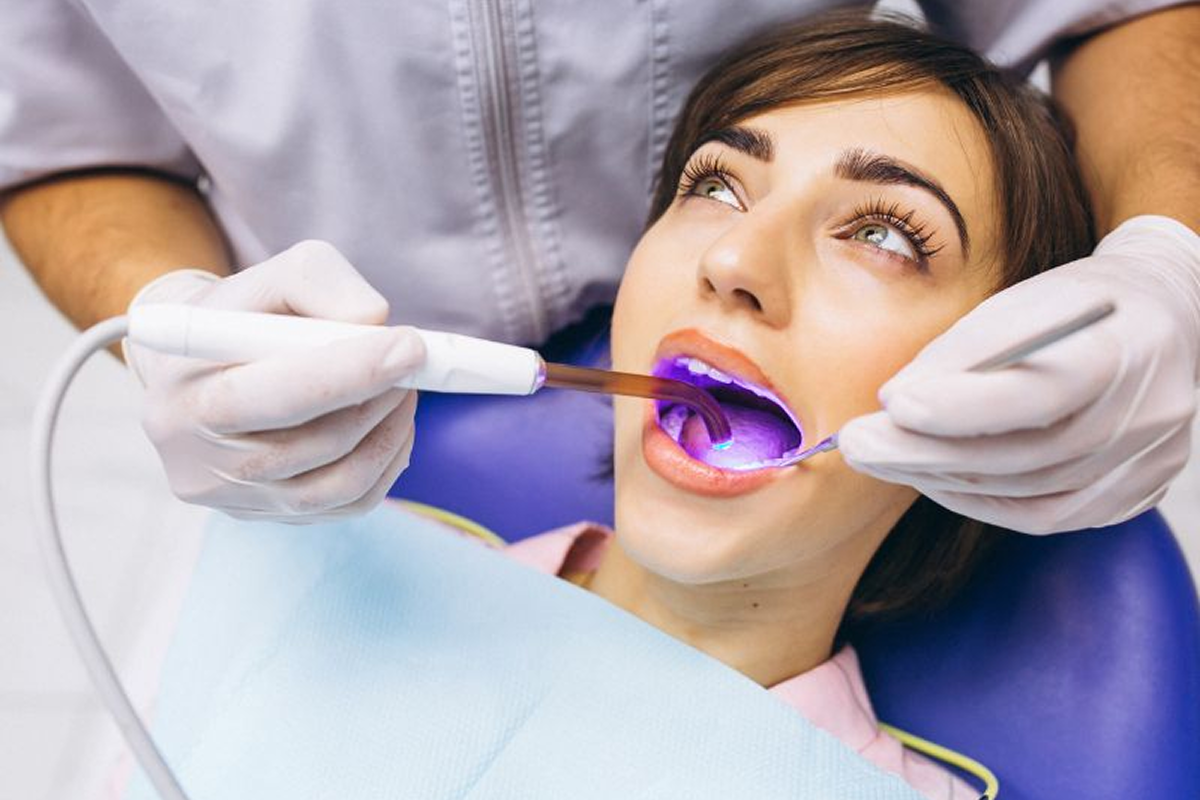
Gentle Whitening Options That Help Reduce Sensitivity
Some teeth whitening treatments are made for people with sensitive teeth. These treatments use gentle whitening instead of strong bleaching.
Individuals seeking whitening often look for gentle procedures.
Some of the commonly known gentle procedures are as follows:
- Gels having low concentrations of bleaching agents
- Whitening trays made according to specifications.
- Shorter whitening sessions
- Desensitizing gels are applied before teeth whitening.
- Whitening under professional supervision in clinics.
How Professional Whitening Protects Sensitive Teeth
With a dentist in South Edmonton, whitening treatments are carefully planned based on each patient's tooth condition. This helps reduce irritation and ensures safer results.
Professional teeth whitening near you involves the following steps:
- Checking teeth for sensitive areas before a teeth whitening procedure
- Determining the best strength for bleaching treatment
- Protecting patients' gums during product application
- Observing patients' reactions during the whitening procedure
- Making adjustments when necessary
Taking these Precautions Will Help You Enjoy Pain-Free Teeth Whitening Procedure.
What Makes a Treatment the "Best" for Sensitive Teeth?
The best whitening treatment for sensitive teeth is not always the strongest one. Instead, it is the one that balances comfort and results.
A good teeth-whitening procedure will:
- Use low to moderate levels of whitening potency.
- Be gradual rather than immediate.
- Contain sensitivity protection procedures.
- Have oversight by a dentist near you
- Enable adaptation according to comfort levels.
Gradual and steady whitening is more likely to result in greater comfort.
Common Causes of Tooth Sensitivity During Whitening
Understanding why sensitivity occurs makes dealing with the condition easier. Whitening procedures can increase sensitivity, making the nerves within the tooth sensitive for some time.
The following things can cause sensitivity:
- Damaged or weak enamel
- Exposed teeth roots
- Sensitive gums
- Aggressive teeth whiteners
- Acidic foods
By understanding the reasons for sensitivity, one can choose safer products for whitening their teeth.
How to Prepare Before Whitening Treatment
Whitening can become less painful and more efficient with proper preparation.
Tips for preparation before carrying out the procedure:
- Use sensitive toothpaste before bleaching.
- Do not consume either very hot or very cold drinks.
- Address any dental problems you may have.
- Follow the dentist's advice.
- Maintain the cleanliness of your teeth before treatment.
What to Expect During Whitening
Whitening of sensitive teeth is performed very gently.
Some of the things observed during the process include the following:
- There is a tingling sensation.
- The colour shade starts changing slowly.
- Short treatment sessions
- Minimal discomfort when done correctly
- Clear improvement over time
Sensitive teeth, whether present or not, will definitely show improvement after the procedure.
Aftercare Tips for Sensitive Teeth Whitening
Proper aftercare following teeth whitening will ensure the results remain effective in the long run.
Effective aftercare tips include:
- Not consuming either hot or cold foods temporarily.
- Brushing your teeth using sensitive toothpaste
- Consuming lots of water
- Avoiding stain-causing foods for 24–48 hours.
- Consistently brushing and flossing.
These steps help protect enamel and extend whitening results.
A Gentle and Confident Step Toward a Brighter Smile!
Teeth whitening for sensitive teeth does not have to be an uncomfortable experience, provided that you take the right measures. It is possible to achieve a whiter tooth appearance without experiencing sensitivity. Contact Floss and Gloss Dental today for all the assistance you need. Book your appointment!